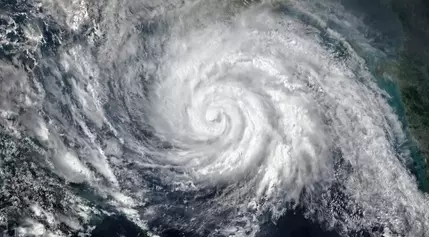
Hurricane Francine threatens Gulf Coast: Food and drink essentials to have on hand
2025-11-16
23.2K
1.9K
315
Weathering the Storm: Essential Preparedness Tips for Natural Disasters
As hurricane season reaches its peak, it's crucial to be prepared for the unexpected. With Hurricane Francine threatening the Gulf Coast, residents must act quickly to ensure their safety and well-being in the event of a prolonged power outage or other storm-related disruptions. This comprehensive guide outlines the essential items and strategies recommended by FEMA, the American Red Cross, and other leading organizations to help families weather the storm and emerge resilient.
Fortify Your Home, Safeguard Your Family
Stocking Up on Water: The Lifeblood of Survival
Ensuring a reliable water supply is paramount during a natural disaster. FEMA and the American Red Cross advise that every household should have at least one gallon of water per person, per day, for a minimum of two weeks. This water should be stored in its original, commercially bottled containers and left unopened until needed. In the event of a water shortage, it's crucial to avoid rationing and instead consume the necessary amount each day, while actively seeking additional sources. Hidden water reserves within the home, such as hot water tanks, pipes, and ice cubes, can provide a valuable supplementary supply.
Canned Goods: Shelf-Stable Sustenance
Canned foods are an invaluable asset during emergencies, as they often have an extended shelf life and can be consumed directly from the can without the need for cooking. FEMA and the Red Cross recommend maintaining a minimum three-day supply of non-perishable canned goods, along with a manual can opener and disposable utensils. It's important to inspect cans for any signs of damage, such as dents or swelling, and discard any that appear compromised.
Protein-Packed Provisions
Shelf-stable protein sources are essential for maintaining energy and satiety during a crisis. Recommended options include peanut butter, canned tuna, chicken, and turkey, as well as nuts and jerky. These nutrient-dense items can help sustain individuals and families until regular food supplies are restored.
Dairy Delights: Shelf-Stable Alternatives
Rather than relying on traditional dairy products that require refrigeration, it's advisable to stock up on shelf-stable milk and milk alternatives, such as almond, rice, and soy varieties. These specially processed and packaged items can be safely stored at room temperature, ensuring a reliable source of essential nutrients.
Catering to Special Dietary Needs
When preparing for a natural disaster, it's crucial to consider the unique dietary requirements of all family members, including infants, the elderly, and those with special medical conditions. Ensuring a supply of baby food, powdered formula, and specialized foods for specific dietary needs can provide peace of mind and ensure that everyone's nutritional requirements are met.
Comfort and Familiarity: The Importance of Familiar Foods
In times of stress and uncertainty, the comfort of familiar foods can have a significant impact on morale and overall well-being. FEMA and the Red Cross emphasize the importance of including foods that are not only high in calories and nutrition but also enjoyable to consume. These familiar items can help provide a sense of security and normalcy during a crisis.By heeding the expert recommendations and implementing a comprehensive preparedness plan, families can weather the storm with confidence, ensuring their safety and well-being in the face of natural disasters. Remember, the key to resilience lies in proactive planning and a commitment to self-reliance.