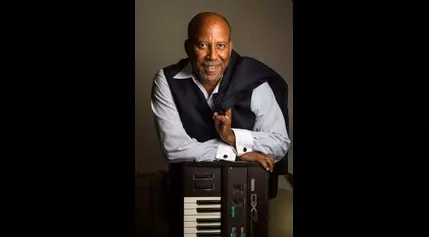
Taxi to ‘Tizita,’ Ethiopian-born musician Hailu Mergia has always put his music first
2025-11-17
24.4K
974
399
Hailu Mergia: Reinventing the Sounds of Ethiopia's Musical Legacy
In the heart of Ethiopia, the word "tizita" holds a profound emotional resonance, evoking a sense of nostalgia and a deep connection to the country's rich musical heritage. For Hailu Mergia, a pioneering Ethiopian keyboardist, this traditional pull has been a driving force behind his lifelong pursuit of musical innovation and reinvention.
Unlocking the Timeless Melodies of Ethiopia
Embracing the Accordion and Exploring New Horizons
Hailu Mergia's musical journey began in the small town of his birth, where he was captivated by the ancient single-string masenqo instrument. As a young man, he moved to the bustling capital of Addis Ababa and discovered the accordion, which was the instrument of choice during the golden era of Ethiopian popular music in the late 1960s and early 1970s. Mergia's passion for the accordion soon blossomed, and he co-founded the renowned Walias Band, a group that would become a central figure in the musical explosion that swept through the city.
Blending Ethiopian Traditions with Jazz and Funk
The Walias Band was known for their ability to seamlessly blend the pentatonic (five-note) scales of Ethiopian music with the infectious rhythms of American jazz and funk. Mergia and his ensemble would captivate audiences with their energetic live performances, often playing for hours on end without a break. Their album "Tche Belew" showcased their instrumental prowess and their commitment to maintaining creative control over their music, as they invested in their own instruments to avoid the whims of venue owners.
Navigating the Challenges of a Changing Ethiopia
The rise of the military dictatorship in Ethiopia in 1974 brought numerous restrictions on musicians, but the Walias Band persevered, finding refuge in all-night hotel gigs that allowed them to work within the confines of enforced curfews. However, Mergia's journey took an unexpected turn when he came to the United States in 1981, initially seeking educational opportunities. Adapting to a new country and language proved challenging, and Mergia found himself navigating the complexities of obtaining work permits and making ends meet.
Rediscovering and Reinventing the Tizita
Despite the obstacles, Mergia never abandoned his musical passion. During the 1990s, when he was not performing, he continued to practice and experiment, even going so far as to keep a keyboard in his taxi while driving. In 1985, Mergia recorded a cassette titled "Hailu Mergia & His Classical Instrument/Shemonmuanay," which blended traditional Ethiopian melodies with a futuristic electronic sound. This cassette, discovered by an American music enthusiast in 2013, would ultimately lead to Mergia's rediscovery and the reissuing of his earlier work.
Embracing a New Generation of Fans
Mergia's recent albums, such as "Lala Belu" and "Yene Mirch," have showcased his continued dedication to reinventing the tizita and other Ethiopian standards. Whether working with young musicians or reuniting with former Walias Band members, Mergia's focus remains on the foundation of a strong bass line and melody, allowing him to build upon the traditional foundations with his own unique improvisations and harmonic explorations. The enthusiasm of his newfound international audience, including a younger generation of fans from Ethiopia and beyond, has only fueled Mergia's passion for sharing his music with the world.
Keeping the Rhythm Alive
At the age of 78, Hailu Mergia continues to tour globally, captivating audiences with his ability to breathe new life into the timeless melodies of Ethiopia. His unwavering commitment to his craft, his willingness to experiment and reinvent, and his deep connection to the cultural heritage of his homeland have made him a revered figure in the world of Ethiopian music. As he takes the stage, Mergia's music serves as a testament to the enduring power of tradition and the transformative potential of innovation.