Navigating the Nintendo Switch Landscape: Unraveling the Amazon Retail Mystery
2025-11-16
7.3K
292
108
In a surprising turn of events, Nintendo's first-party Switch titles are reportedly making a comeback on Amazon's US platform, after a prolonged absence. This development sheds light on the complex dynamics between the gaming giant and one of the world's largest e-commerce platforms, offering a glimpse into the evolving landscape of video game distribution and retail partnerships.
Unlocking the Secrets of Nintendo's Retail Strategies
The Vanishing Act: Nintendo's First-Party Titles on Amazon
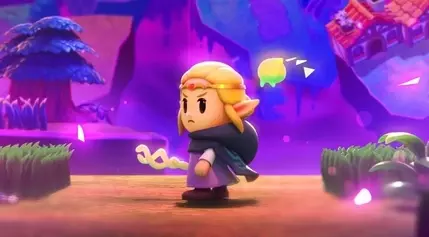
For much of 2024, Nintendo's first-party titles have been conspicuously absent from both physical and digital shelves on Amazon, leaving consumers and industry observers puzzled. This "freeze-out," as it has been described, has extended beyond just game sales, with Switch memberships, gift cards, and codes also becoming unavailable through the e-commerce giant.The sudden reappearance of The Legend of Zelda: Echoes of Wisdom, which is now being sold and shipped directly by Amazon, has sparked renewed interest in the underlying reasons behind this retail hiatus. While the game's arrival comes over a month after its initial September release, it marks a significant shift in the distribution landscape, raising questions about the factors that led to this change.
Exploring the Implications: Retailer Relationships and Consumer Impact
The absence of Nintendo's first-party titles on Amazon has had far-reaching implications, both for consumers and the broader video game industry. Gamers have faced challenges in accessing the latest Nintendo releases, as major titles have been limited to third-party sellers only, potentially leading to higher prices and limited availability.Moreover, the lack of access to Switch memberships, gift cards, and codes has further compounded the issue, making it more difficult for consumers to engage with the Nintendo ecosystem and access the full range of digital content and services.
Unraveling the Retail Puzzle: Potential Factors and Speculations
The reasons behind this "freeze-out" remain largely unclear, with neither Nintendo nor Amazon providing any official explanations. Industry analysts and experts have proposed various theories, ranging from contractual disputes and pricing negotiations to strategic shifts in distribution channels.Some speculate that the absence of Nintendo's first-party titles on Amazon may have been a deliberate move by the gaming company to exert more control over its retail partnerships and distribution channels. This could be part of a broader strategy to ensure a consistent brand experience and maintain pricing integrity across different sales platforms.Alternatively, the situation may have been the result of complex negotiations and disagreements between Nintendo and Amazon, potentially involving factors such as revenue sharing, promotional strategies, or even broader strategic alignments within the video game industry.
The Resurgence: Nintendo's Return to Amazon's Shelves
The reappearance of The Legend of Zelda: Echoes of Wisdom on Amazon's platform marks a significant development in the ongoing saga. This move suggests that the two companies have reached some form of resolution, paving the way for Nintendo's first-party titles to once again be available through the e-commerce giant.However, the timing and circumstances surrounding this return remain unclear. It is possible that the companies have reached a new agreement, or that the situation has evolved due to changing market dynamics or strategic considerations.Regardless of the underlying reasons, the return of Nintendo's first-party titles to Amazon's shelves is likely to be welcomed by consumers, who have long been eager to access the latest Nintendo releases through the convenience of the e-commerce platform.
Navigating the Future: Implications for Gamers and the Industry
The resolution of this retail mystery holds important implications for the future of Nintendo's distribution strategies and the broader video game industry. As the landscape continues to evolve, both companies will need to navigate the delicate balance between maintaining brand integrity, ensuring consumer access, and fostering mutually beneficial partnerships.For gamers, the renewed availability of Nintendo's first-party titles on Amazon may signify a return to a more seamless and accessible purchasing experience. However, it remains to be seen whether this development will lead to more consistent and reliable access to the latest Nintendo releases across various retail channels.From an industry perspective, the resolution of this situation may shed light on the evolving dynamics between major gaming companies and e-commerce platforms. As the video game market continues to grow and diversify, the ability to effectively manage retail partnerships and distribution channels will be crucial for both manufacturers and retailers alike.Ultimately, the return of Nintendo's first-party Switch titles to Amazon's platform represents a significant development in the ongoing saga of video game retail strategies. As the industry continues to evolve, the lessons learned from this episode may serve as a blueprint for navigating the complex and ever-changing landscape of video game distribution and consumer engagement.