Dutch Art in a Global Age: Masterpieces from the Museum of Fine Arts, Boston
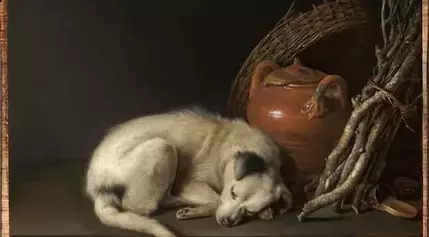
Uncover the Hidden Treasures of Dutch Art
Newly Independent and Dominant
After gaining independence from the Spanish Empire and becoming dominant in global trade from Japan to the Americas, the Dutch found themselves with abundant wealth. This wealth was not only spent on fine food, drink, tobacco, clothing, and luxury goods, which were proudly showcased by the artists, but also on a vast number of paintings. These paintings adorned the small country, reflecting the prosperity and cultural vibrancy of the time.During this period, while the Catholic Church and the landed aristocracy had long been the main patrons of art across Europe, in the Dutch Republic, it was the commercially minded Protestant merchants, traders, and townspeople who took the lead. This shift led to a different demand for art, with less emphasis on symbol-heavy sacred art and history painting that required a classical education, and more focus on accessible types such as portraits, landscapes, still lifes, and genre painting.
Dutch vs. Flemish Baroque Painting
Dutch art stands in stark contrast to the Flemish Baroque painting of the same period in neighboring Flanders. While Flanders remained part of the Catholic Habsburg Empire when the Dutch broke away, the gaudy pageantry of Flemish painters like Rubens and Van Dyck appealed to royalty and nobility. In contrast, the more understated work of Dutch painters like Rembrandt and Vermeer was oriented towards the sober, town-dwelling business class.This difference in style reflects the distinct cultural and social contexts of the two regions. The Dutch, with their focus on commerce and practicality, preferred paintings that spoke to their daily lives and experiences. Flemish art, on the other hand, was more grand and elaborate, catering to the tastes of the aristocracy.
Portraiture: Pros and Cons
Portraiture was highly popular during the Dutch Golden Age as the burgeoning middle classes sought to be immortalized on canvas. While this provided artists with a steady income, it also had its limitations. Portraits are not always the most creative or original paintings, and looking at too many in a row can become monotonous if the viewer has no connection to the subjects.However, works by genuine talents like Frans Hals and Rembrandt truly stand out. Their subtle facial expressions and detailed depictions of fine garments showcase the depth and dignity of the sitters. For example, Frans Hals' Portrait of Cunera van Baersdorp and Rembrandt's Portrait of Aeltje Uylenburgh capture the essence of their subjects with remarkable skill.
Landscapes: Unprecedented Popularity
Landscapes reached unprecedented popularity and realism during this period. Although lacking the golden sunshine and grand Roman ruins of Italian views, Dutch artists took full advantage of the changing seasons and dramatic cloudy skies of the northern climate. Hendrick Avercamp's Winter Landscape Near a Village, with its ice skaters and frozen canals, is a prime example of this.The details in these landscapes are truly captivating, transporting the viewer to a different time and place. They offer a glimpse into the natural beauty and seasonal changes that were an integral part of Dutch life.
Marine Paintings: Work and Nature
Marine paintings were as important as landscapes for a country that owed its prosperity to the seas. Paintings by Ludolf Bakhuizen and Jacob van Ruisdael depict merchant ships navigating rough seas and windy skies, highlighting the hard work and the connection between human activity and nature.These paintings not only showcase the maritime prowess of the Dutch but also remind us of the importance of the seas in their economic and cultural life.
Still Lifes: A Sense of Luxury
The still lifes by Jan Davidsz de Heem and Willem Claesz Heda exude a sense of luxury. Mouthwatering food and drink are set against glistening goblets and sumptuous fabrics, along with the novel commodity of tobacco. The silver and silver-gilt cups and trays on display by Nicolaes de Grebber and Adriaen van Hoecke demonstrate the level of detail and refinement in the painters' depictions.These still lifes offer a glimpse into the material wealth and cultural sophistication of the Dutch Golden Age.
Historical Context and Questions
Progress in the golden age brought scientific advancement and religious toleration at home but a devastating human cost abroad. The artworks in this exhibition often omit the grim realities of conquest and enslavement, leaving viewers to ponder the complex relationship between prosperity and exploitation.As Walter Benjamin famously remarked, there is no document of civilization that is not also a document of barbarism. This exhibition prompts viewers to think about this question and consider the full story behind the artworks.
Details:“” is on view through Feb. 9 at the Kimbell Art Museum, 3333 Camp Bowie Blvd., Fort Worth. Tuesday-Thursday and Saturday from 10 a.m. to 5 p.m., Friday from noon to 8 p.m., and Sunday from noon to 5 p.m. Adults , seniors 60 or older and students with ID , children ages 6-11 , half-price on Tuesdays and on Fridays after 5 p.m. For more information, call 817-332-8451 or visit kimbellart.org.