Want to make your own pet food? Here’s what to know
2025-10-30
36.5K
1.8K
328
Homemade Pet Food: Weighing the Risks and Rewards
Crafting your own pet food can be an exciting and rewarding endeavor, but it's crucial to approach it with caution. Without proper research and guidance, the process can quickly become more time-consuming and costly than expected. As a pet owner, you may be tempted to take matters into your own hands, but the risks involved in creating a nutritionally balanced meal for your furry friend can have serious consequences.
Unlock the Truth: Is Homemade Pet Food Worth the Effort?
The Time Commitment: A Surprise in the Kitchen
Preparing homemade pet food can be a labor-intensive process, requiring significantly more time than one might anticipate. According to Dr. Lindsey E. Bullen, a veterinary nutritionist, the average pet owner can expect to spend upwards of five hours or more in the kitchen cooking for their pets. This time-consuming task may not align with the convenience and efficiency that many pet owners seek.
The Cost Conundrum: Debunking the Myth of Savings
Many pet owners believe that cooking their pets' food will be more cost-effective than purchasing commercial options. However, this assumption may not always hold true. Dr. Bullen cautions that the perception of homemade pet food being cheaper is often a misconception. In reality, the process of creating a nutritionally balanced meal for your pet can be more expensive than relying on pre-formulated commercial pet foods.
The Nutritional Minefield: Striking the Right Balance
One of the most significant challenges in preparing homemade pet food is ensuring that it meets the specific nutritional needs of your animal companion. As Dr. Bullen explains, "There is a misconception about one being able to create nutritiously balanced pet meals from human ingredients. That is just not possible." Without the guidance of a board-certified veterinary nutritionist, the risk of creating an imbalanced or potentially harmful diet for your pet is high.
The Kibble Conundrum: Reconsidering the Convenience
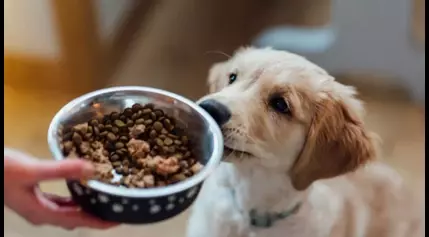
While kibble may not appear as appealing as a homemade meal, it could be a better option for many pet owners. Dr. Bullen reminds us that there is no equivalent to the carefully formulated and balanced commercial pet food in the human world. Kibble, despite its perceived shortcomings, may provide a more reliable and consistent source of nutrition for your pet.
The Professional Partnership: Enlisting Expert Assistance
If you are determined to embark on the journey of creating homemade pet food, it is crucial to work closely with a board-certified veterinary nutritionist. As Dr. Bullen emphasizes, "Food preparation done incorrectly could cause long-term damage to be borderline lethal to your pet." Collaborating with a qualified professional can help ensure that your pet's dietary needs are met and that the homemade meals are safe and nutritionally balanced.In the end, the decision to prepare homemade pet food is a complex one that requires careful consideration. While the prospect of crafting a personalized meal for your furry friend may seem appealing, the risks and challenges involved can outweigh the potential benefits for many pet owners. By weighing the time commitment, cost implications, and the critical importance of proper nutrition, you can make an informed decision that prioritizes the health and well-being of your beloved pet.