The October 7th massacre, through the art of kids and a soldier’s combat journal
2025-10-18
49.6K
4.5K
2.2K
Amplifying the Voices of Resilient Children: Uncovering the Trauma of War Through Powerful Artwork
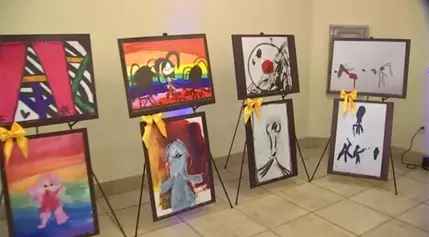
The Hallandale Beach Cultural Center is hosting a poignant exhibit that gives a voice to the children who survived the October 7th massacre in Israel. This powerful display showcases dozens of paintings created by young survivors from the town of Sderot, located near the Gaza Strip. These children, ranging from ages seven to nine, have endured unimaginable horrors, and their artwork serves as a powerful testament to their resilience and the need for understanding and healing.
Unveiling the Trauma and Resilience of Young Survivors
Giving Voice to the Voiceless
The exhibit at the Hallandale Beach Cultural Center is a poignant and powerful platform for the children of Sderot to share their experiences. These young survivors, who have witnessed the atrocities committed by Hamas, have found solace and expression through the medium of art. The paintings, created as part of a group therapy program, serve as a window into the minds and hearts of these children, allowing them to convey their thoughts and emotions in a way that words often fail to capture.The artwork on display is a testament to the resilience and strength of these young individuals. While some paintings depict scenes of violence and destruction, others showcase the children's innate hope and resilience. Rainbows, smiley faces, and other symbols of positivity stand in stark contrast to the harrowing images of blood, bullets, and missiles. This juxtaposition serves as a powerful reminder of the human spirit's ability to endure even in the face of unimaginable trauma.
Uncovering the Trauma of War
The paintings created by the children of Sderot offer a raw and unfiltered glimpse into the horrors they have experienced. Many of the artworks depict scenes of violence and destruction that no child should ever have to witness. From the depiction of blood and bullets to the pleas for help written in Hebrew, English, and Russian, the paintings serve as a haunting reminder of the trauma these young survivors have endured.Anabelle Lima-Taub, the vice mayor of Hallandale Beach and the organizer of the exhibit, eloquently captures the profound impact of the children's artwork. "I see tremendous trauma and tremendous pain, for children to draw paintings with blood and bullets and missiles and asking for help in Hebrew and English and in Russian, I think there's tremendous trauma and I don't know how many years that will take to undo."The exhibit's power lies in its ability to amplify the voices of these children, allowing their experiences to be heard and understood. By sharing their stories through art, they not only process their own trauma but also shed light on the devastating consequences of the conflict in the region.
Confronting the Realities of War
The exhibit also features the personal account of Captain Elkana Cohen, an IDF reservist who was called back to active duty in the aftermath of the October 7th massacre. Cohen's book, "October 7th, the War Against Hamas Through the Eyes of an Israeli Commando Officer," provides a firsthand perspective on the horrors of the Gaza war.Cohen's narrative delves into the grim realities of the conflict, from discovering hidden terror tunnels in children's rooms to uncovering caches of weapons and explosives within civilian homes. His account also sheds light on the tactics employed by Hamas, which used civilians as human shields, knowing that their presence would deter Israeli attacks.One particularly harrowing incident recounted by Cohen involves a time when his unit tried to evacuate civilians from a school compound suspected of being used as a Hamas command center. Despite their efforts, a Hamas guard opened fire on a young child, killing the innocent victim in front of their mother. Cohen's words serve as a stark reminder of the cruelty and disregard for human life that has characterized the actions of Hamas during the conflict.Through Cohen's firsthand account, the exhibit provides a deeper understanding of the challenges faced by the Israeli military in their efforts to protect their citizens while minimizing civilian casualties. It underscores the complex and harrowing realities of modern warfare, where the lines between combatants and civilians are often blurred, and the consequences of such conflicts are borne by the most vulnerable members of society.
Seeking Peace and Reconciliation
The exhibit's ultimate message is one of hope and a call for peace. As Cohen eloquently states, "this war would end if Hamas would just release the hostages." The children's artwork, with its depictions of both trauma and resilience, serves as a powerful reminder of the human cost of the conflict and the urgent need for a peaceful resolution.By amplifying the voices of these young survivors, the exhibit aims to foster greater understanding and empathy, paving the way for meaningful dialogue and reconciliation. The paintings, with their raw emotional power, challenge viewers to confront the realities of war and to consider the long-lasting impact it has on the most vulnerable members of society.In a world increasingly divided by conflict, the Hallandale Beach Cultural Center's exhibit stands as a beacon of hope, reminding us of the resilience of the human spirit and the power of art to heal and transform. Through the eyes of these children, we are called to action, to work towards a future where no child must endure the horrors of war and where peace and understanding can prevail.