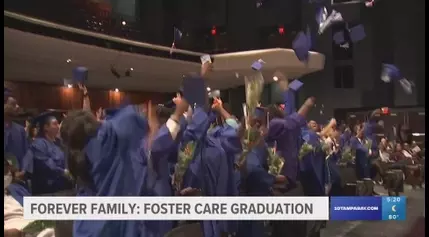
Kids in foster care beat the odds and graduate from high school
2025-11-10
42.1K
1.3K
252
Empowering Foster Youth: Unlocking the Path to Academic Success
The foster care system in the United States faces a significant challenge when it comes to the educational outcomes of the children it serves. According to recent data, less than half of the youth in foster care graduate from high school, and only a mere 3% manage to attain a college degree. This alarming statistic highlights the urgent need to address the barriers and obstacles that prevent these vulnerable young individuals from reaching their full academic potential.
Unlocking the Potential of Foster Youth: A Crucial Endeavor
Navigating the Complexities of the Foster Care System
The foster care system is a complex and often overwhelming environment for the children and adolescents it serves. Frequent placement changes, disruptions in their education, and the emotional trauma of being separated from their families can all contribute to the challenges these young individuals face. Navigating the bureaucratic maze of the system can be daunting, leaving many foster youth feeling lost and unsupported.Addressing the Unique Needs of Foster YouthFoster youth often have unique educational and social-emotional needs that require specialized support. Many have experienced adverse childhood experiences, such as abuse, neglect, or instability, which can have a profound impact on their academic performance and overall well-being. Providing targeted interventions, mental health services, and personalized academic support can be crucial in helping these young people overcome the obstacles they face.
Fostering Educational Resilience
Developing educational resilience is a critical component in empowering foster youth to succeed academically. This involves building strong support systems, fostering positive relationships with caring adults, and providing access to resources and opportunities that can help them thrive in the classroom.Collaborative Efforts for Educational SuccessAchieving educational success for foster youth requires a collaborative effort among various stakeholders, including child welfare agencies, educators, community organizations, and policymakers. By working together to address the unique needs of this population, we can create a more comprehensive and effective support system that helps foster youth overcome the challenges they face and reach their full academic potential.
Unlocking the Doors to Higher Education
Ensuring that foster youth have access to higher education is a crucial step in breaking the cycle of disadvantage. This may involve providing financial assistance, academic guidance, and mentorship programs to help these young individuals navigate the college application process and succeed in their post-secondary pursuits.Empowering Foster Youth Through Advocacy and AwarenessRaising awareness about the educational challenges faced by foster youth and advocating for policy changes and resource allocation can be instrumental in driving meaningful change. By amplifying the voices of these young individuals and highlighting their unique needs, we can work towards creating a more equitable and supportive educational landscape for all foster youth.
Fostering a Brighter Future
Investing in the educational success of foster youth is not only a moral imperative but also a strategic investment in the future of our communities. By empowering these young individuals to reach their full academic potential, we can unlock a world of possibilities, enabling them to become productive, engaged, and self-sufficient members of society.