Revolutionizing the Food Industry: Technological Advancements Shaping the Future of Sustenance
The food industry is undergoing a transformative shift, driven by a confluence of technological innovations and evolving consumer preferences. From meat alternatives to smarter agricultural practices and blockchain-enabled supply chain transparency, the investment landscape in food technology is poised for significant growth. This article delves into the key areas of innovation, exploring the opportunities and potential impact on the global food ecosystem.
Empowering Sustainable Nourishment: The Future of Food is Plant-Based
Plant-Based Innovation: Crafting a Healthier, Eco-Friendly Future
The plant-based revolution is gaining momentum, as consumers increasingly demand more sustainable and animal-friendly food options. According to the Boston Consulting Group, the market for alternative proteins could reach a staggering 0 billion by 2035, representing 11% of global protein consumption. This shift is driven not only by environmental concerns but also by the proven health benefits of plant-based diets. Studies have shown that a transition to more plant-focused diets could prevent around 8 million deaths by 2050 and reduce greenhouse gas emissions by over 60%.Investors seeking exposure to this burgeoning trend can explore specialized exchange-traded funds (ETFs) like the Vegtech Plant-Based Innovation & Climate ETF (EATV). This actively managed fund focuses on companies at the forefront of plant-based innovation, providing a more targeted investment approach compared to broader "vegan" funds. The portfolio includes food companies like Dole Plc and Vita Coco, as well as animal-friendly brands like Crocs, reflecting the diverse and evolving landscape of plant-based solutions.
Transforming Agriculture: Harnessing Technology for Sustainable Yields
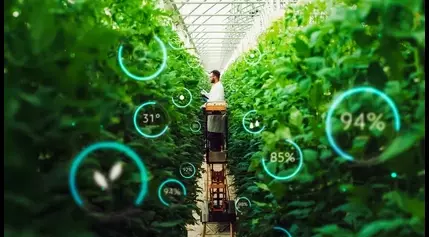
As the global population continues to grow, reaching an estimated 10 billion by 2050, the agricultural sector faces the daunting challenge of increasing crop production and maximizing yields. The future of agriculture lies in the integration of advanced technologies, data-driven approaches, and artificial intelligence (AI) to optimize crop performance and improve the sustainability of agricultural production.Precision agriculture, enabled by AI and other cutting-edge tools, holds the key to producing more with fewer resources and in harsher climates. ETFs like the iShares Emergent Food and AgTech Multisector ETF (IVEG) and the Global X AgTech & Food Innovation ETF (KROP) provide diversified exposure to the companies driving innovation in this space, from agricultural technology to food products and services.
Blockchain: Enhancing Transparency and Traceability in the Food Supply Chain
Blockchain technology has found a promising application in the food supply chain, offering increased transparency, traceability, and overall safety. Companies like Tyson Foods and Walmart have already implemented blockchain-based solutions to streamline supplier management and track the journey of their products, from farm to fork, with remarkable efficiency.The Amplify Transformational Data Sharing ETF (BLOK) is one of the largest and oldest blockchain-focused ETFs, providing exposure to companies at the forefront of this disruptive technology. While BLOK has a broader mandate beyond the food supply chain, it still offers investors a window into the innovative blockchain applications transforming the food industry.
Unlocking the True Value of Food: Accounting for the Hidden Costs
Food is not only essential for sustaining life but also a critical component of the global economy. According to the World Economic Forum, food systems account for approximately 12% of global GDP and 40% of all jobs. However, the true cost of food extends far beyond its market value, encompassing the social and environmental impact.Current agri-food systems are responsible for roughly one-third of global greenhouse emissions, and the true cost of food is estimated to be nearly trillion when factoring in the human health, environmental, and economic consequences. This underscores the pressing need for a paradigm shift towards more sustainable, robust, and inclusive food systems that prioritize both economic viability and environmental stewardship.By embracing technological innovations, shifting towards plant-based alternatives, and implementing blockchain-enabled supply chain transparency, the food industry is poised to redefine the way we produce, distribute, and consume sustenance. These advancements not only address the growing demand for healthier and more eco-friendly food options but also hold the promise of a more equitable and sustainable future for all.