Australia finds ‘serious failures’ in Israeli attack on food aid convoy
2025-11-13
47.6K
3.8K
494
Tragedy in Gaza: Investigating the Deadly Attack on an Aid Convoy
In a shocking incident, seven people, including an Australian national, were killed when the Israeli military struck three World Central Kitchen vehicles in Gaza. The attack, which drew widespread condemnation, has raised questions about the circumstances surrounding the incident and the accountability of those responsible.
Uncovering the Truth: A Comprehensive Investigation
The Tragic Incident
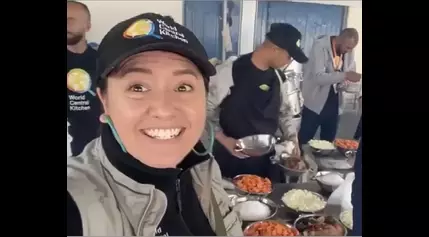
The attack occurred in April, when a convoy of World Central Kitchen (WCK), a US-based charity that provides food to areas affected by humanitarian crises, natural disasters, and conflict, was struck by the Israeli military. The convoy, which included six foreign aid workers and their Palestinian driver, was delivering much-needed supplies to the people of Gaza when the tragedy unfolded.Among the victims was Australian national Zomi Frankcom, a dedicated aid worker who had been part of the WCK team. The loss of these individuals, who were committed to making a difference in the region, has been deeply felt by the global community.
Investigating the Circumstances
A declassified report by former Australian air force chief Mark Binskin, released on Friday, has shed light on the circumstances surrounding the attack. The investigation found that the three vehicles in the WCK convoy were "struck in relatively quick succession" after Israeli forces tagged it as suspicious, mistakenly believing the convoy was being hijacked by Hamas fighters.The report indicates that the strike was the result of a "significant breakdown in situational awareness" within the Israeli military. Binskin, who traveled to Israel for his investigation, noted that the "strike on the WCK aid workers was not knowingly or deliberately directed against the WCK."
Israel's Response and Accountability
Israeli Prime Minister Benjamin Netanyahu had previously admitted that the military had struck the convoy, but claimed it was unintentional, describing it as a "grave mistake." The Israeli military's investigation into the attack was found to be "timely, appropriate and, with some exceptions, sufficient," according to Binskin's report.However, the report also highlighted that "the IDF [Israeli Defence Force] controls failed, leading to errors in decision making and a misidentification, likely compounded by a level of confirmation bias." This raises questions about the accountability of those responsible for the tragic incident.
Calls for Justice and Accountability
The killings have drawn widespread condemnation from around the world, with accusations that Israel had deliberately targeted the aid workers. In response, the Australian government has stated that it will push for full accountability from those responsible, including the possibility of criminal charges if appropriate.Foreign Minister Penny Wong emphasized that "the Military Advocate General of Israel is still to decide on further action." This underscores the ongoing efforts to ensure that those responsible for the tragic incident are held accountable and that justice is served.
The Lasting Impact and Implications
The attack on the WCK convoy has had a profound impact on the global humanitarian community. The charity, founded by celebrity chef José Andrés, has suspended its operations in the region following the incident, citing the need to coordinate the convoy's movements with the Israeli military and the clear marking of its vehicles.The tragedy has also raised broader questions about the safety and security of aid workers operating in conflict zones, as well as the need for greater transparency and accountability in military operations that involve civilian targets. As the international community continues to grapple with the aftermath of this incident, the pursuit of justice and the protection of humanitarian workers remain paramount.