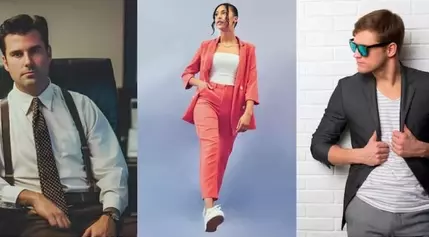
Past, Present, And Future Of Office Fashion: A Journey Through Style
2025-11-10
41.1K
2.9K
1K
The Evolving Landscape of Office Fashion: From Tradition to Transformation
The world of office fashion has undergone a remarkable transformation, reflecting the dynamic shifts in workplace culture, societal norms, and the influence of technology. This captivating journey explores the past, present, and future of office attire, showcasing how the way we dress for work has adapted to the changing times.
Redefining Professionalism: A Sartorial Revolution
The Past: Formal Elegance and Conformity
In the early to mid-20th century, office fashion was characterized by a strict adherence to formality and traditional gender roles. Men donned tailored suits, ties, and polished leather shoes, projecting an image of power and professionalism. Women's attire revolved around modest dresses, skirts, and blouses, often paired with heels, as they entered the workforce in larger numbers. The "power suit" of the 1980s, with its broad shoulders and pinstripes, became synonymous with business success and ambition.
The Present: Embracing Flexibility and Personal Expression
As workplace culture has evolved towards a more relaxed and diverse environment, office fashion has followed suit. The lines between formal and casual wear have blurred, giving rise to new trends that prioritize comfort, individuality, and practicality. The introduction of "business casual" in the 1990s and 2000s allowed for a more relaxed approach, with men opting for button-down shirts and chinos, and women incorporating stylish yet comfortable options like blouses and slacks. The influence of tech companies, with their emphasis on casual attire, has further pushed the boundaries of traditional office wear, with "Casual Fridays" becoming a common practice.Today, office fashion is about striking a balance between professionalism and personal style. While some industries maintain a more formal dress code, many workplaces now embrace a smart-casual aesthetic that allows employees to express their individuality without sacrificing their professional image. The growing emphasis on inclusivity and diversity has also influenced office fashion, with companies encouraging employees to dress in ways that reflect their cultural and gender identities.
The Future: Sustainability, Comfort, and Technological Integration
As we look ahead, the future of office fashion is poised to be shaped by a confluence of sustainability, comfort, and technological advancements. Driven by environmental concerns, brands are focusing on eco-friendly materials and minimalist wardrobes, encouraging employees to make more conscious fashion choices. The rise of remote work and hybrid models has also led to a greater emphasis on "workleisure" – a blend of the comfort of athleisure and the sophistication of traditional office wear.Furthermore, the integration of technology into clothing is set to transform the way we approach office attire. Smart fabrics that can monitor body temperature, adjust to climate conditions, or even charge devices through solar panels embedded in the fabric, are expected to become commonplace. Wearable technology, such as smartwatches and tech-enabled accessories, will seamlessly blend function and style, catering to the evolving needs of the modern workplace.As the world of work continues to evolve, the future of office fashion promises to be a dynamic and innovative landscape, where sustainability, comfort, and technological advancements converge to redefine the way we present ourselves in the professional realm. From eco-conscious materials to smart-enabled garments, the sartorial landscape of the future workplace is poised to be a testament to the adaptability and creativity of the human spirit.